
Solving the Public Ledger Privacy Dilemma
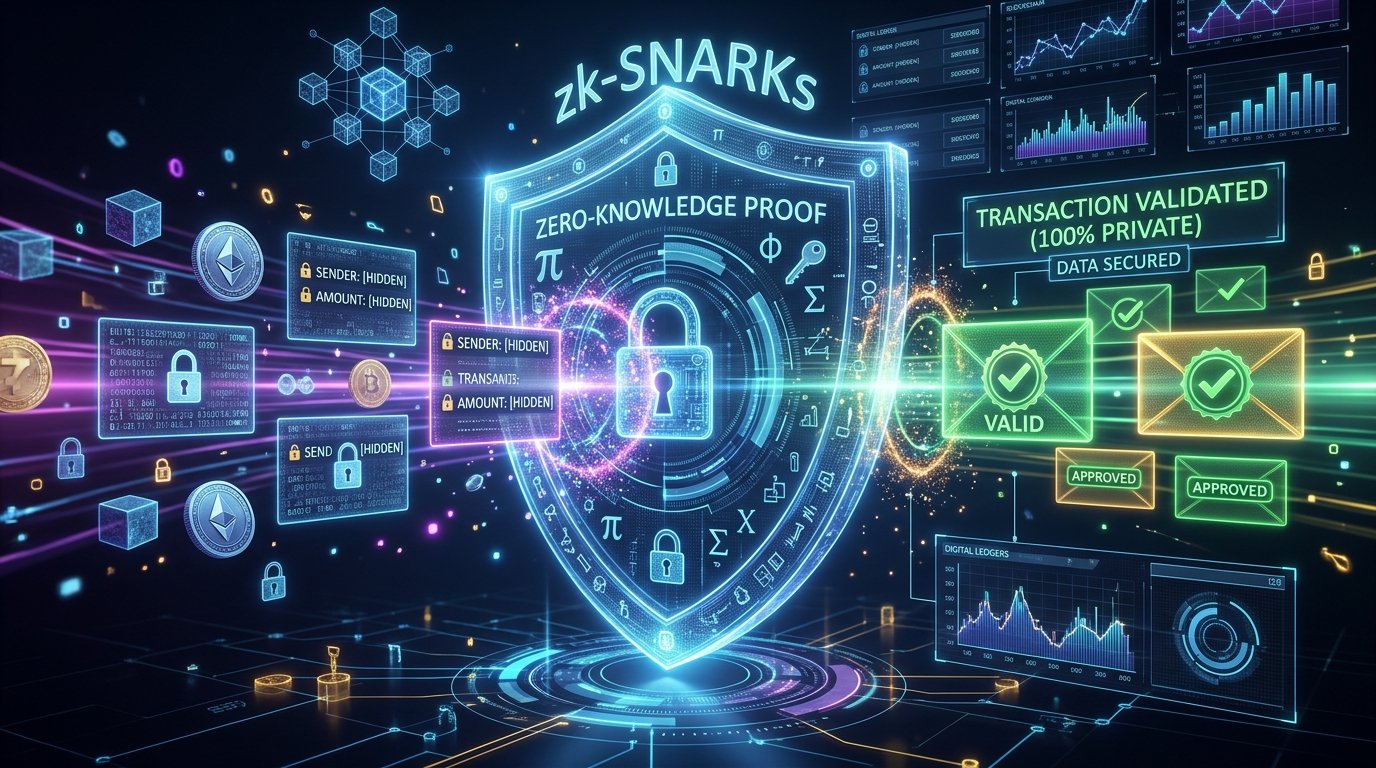
Public blockchains broadcast every account balance and transaction hash to the world, creating severe operational hurdles for institutional capital requiring commercial confidentiality. The integration of zero-knowledge proofs (zk-SNARKs) into decentralized finance (DeFi) provides mathematical privacy without compromising settlement integrity.
How Zero-Knowledge Protocols Shield Transactions
zk-DeFi protocols introduce cryptographic privacy barriers directly on-chain:
You May Also Like
- Confidential Asset Transfers: Obfuscates sender addresses, recipient addresses, and transaction amounts while proving mathematical solvency to the consensus layer.
- Private Liquidity Pools: Shields enterprise automated market making (AMM) orders from malicious front-running and maximal extractable value (MEV) bots.
- Selective Disclosure and Compliance Keys: Generates cryptographic viewing keys that allow users to prove legitimate tax compliance and AML provenance to regulators upon audit.
- Recursive Proof Composition: Bundles thousands of confidential micro-transactions into a single succinct proof verified cheaply on the base settlement chain.
Institutional asset managers require strict transactional confidentiality to prevent market competitors from reverse-engineering proprietary trading strategies.
Security Auditing for Cryptographic Circuits
Auditing zero-knowledge smart contracts demands specialized mathematical verification tools like Circom and formal verification frameworks to detect subtle constraint-underflow vulnerabilities.




Comments (0)
Leave a Comment