
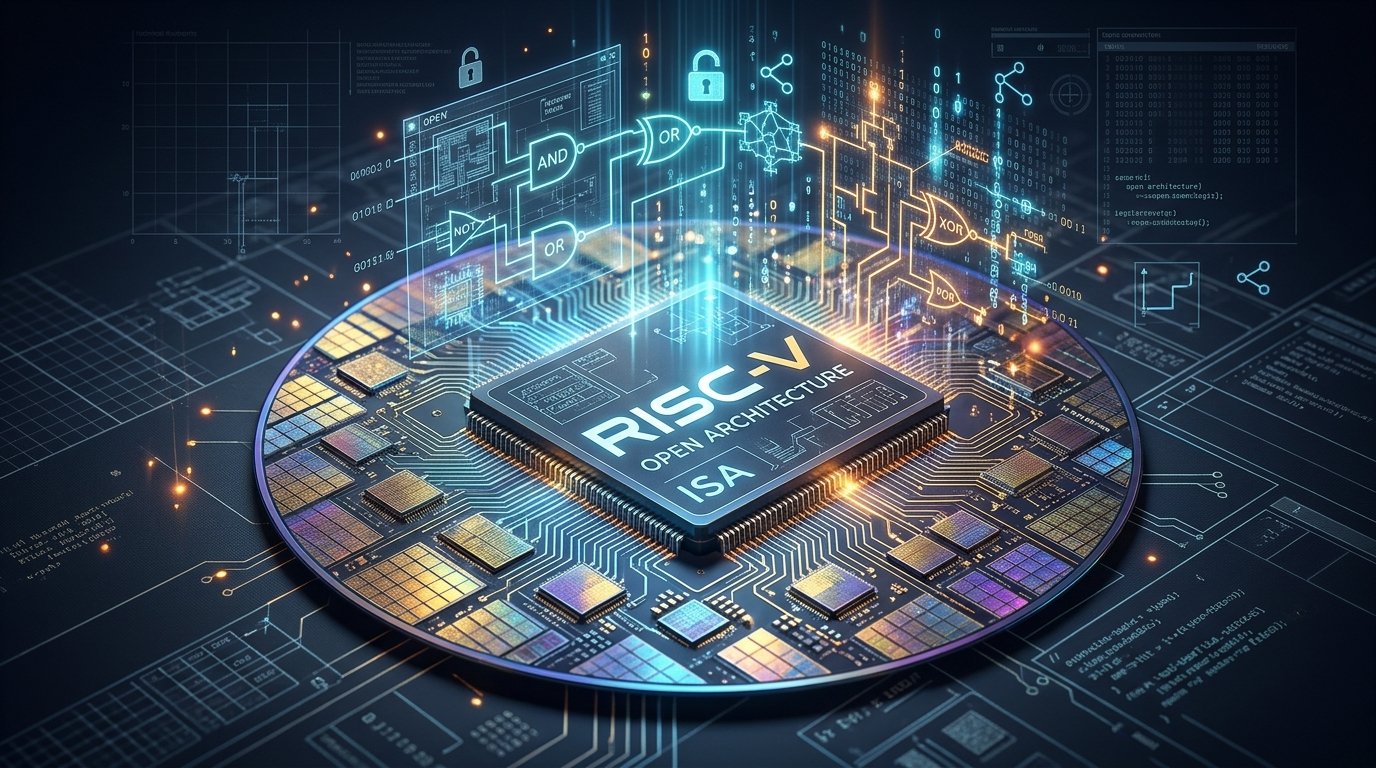
Democratizing Silicon Design Through Open Standards
For decades, the semiconductor industry was locked in a duopoly between x86 and ARM architectures. Today, the royalty-free, open-standard RISC-V Instruction Set Architecture (ISA) is driving a seismic revolution across datacenter accelerators, automotive microcontrollers, and consumer hardware.
Why Major Hardware Vendors Are Embracing RISC-V
The commercial appeal of RISC-V stems from modular flexibility and geopolitical neutrality:
You May Also Like
- Zero Licensing Fees and Royalties: Organizations can design, modify, and tape-out custom silicon without paying multi-million dollar architecture licensing fees.
- Modular Extension Architecture: Engineers can cleanly append custom vector processing or matrix multiplication instructions optimized for specialized AI workloads.
- Geopolitical and Supply Chain Resiliency: The open standard cannot be restricted by single-nation export embargoes, fostering global collaborative engineering.
- High Power Efficiency: Clean, unencumbered 64-bit load-store architecture reduces transistor count, yielding superior performance-per-watt metrics.
From Google implementing RISC-V for Android to Western Digital shipping billions of storage cores, open silicon is rapidly conquering mission-critical computing.
The Maturation of the Software Ecosystem
Upstream Linux kernel integration, LLVM compiler maturity, and widespread language runtime support have eliminated historical software compatibility barriers, cementing RISC-V's mainstream future.






Comments (0)
Leave a Comment