
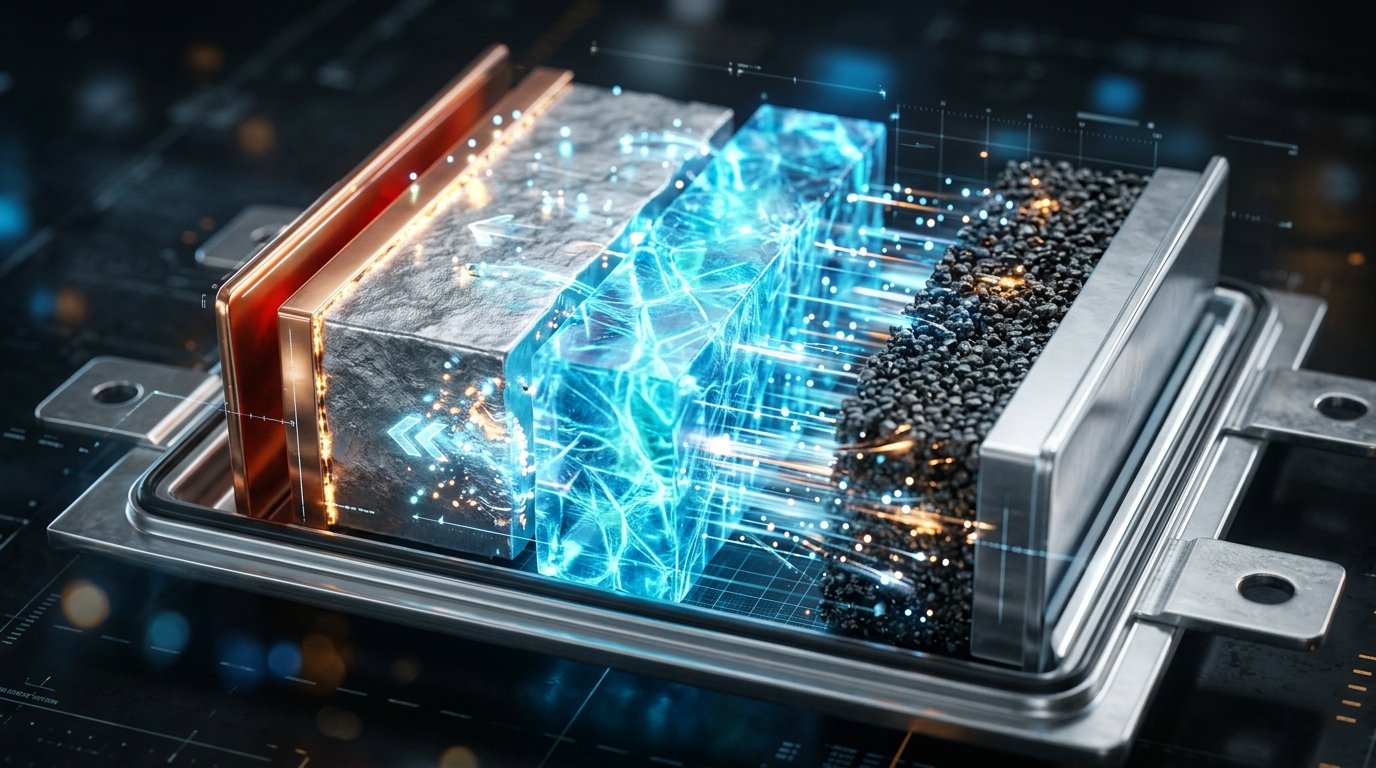
The Holy Grail of Energy Storage
The global transition toward sustainable transportation is on the cusp of an inflection point with the commercial arrival of solid-state batteries (SSBs), an electrochemical breakthrough poised to render traditional liquid lithium-ion technology obsolete.
Electrochemical Advantages Over Conventional Batteries
Solid-state designs resolve fundamental safety and performance bottlenecks:
You May Also Like
- Non-Flammable Solid Electrolytes: Replaces volatile organic liquid electrolytes with ceramic or sulfide compounds, virtually eliminating thermal runaway and fire hazards.
- Pure Lithium Metal Anodes: Unlocks gravimetric energy densities exceeding 500 Wh/kg, doubling the driving range of electric vehicles on a single charge.
- Ultra-Fast Charging Tolerances: Robust ionic conductivity allows 10% to 80% charge cycles in under 10 minutes without accelerating dendrite degradation.
- Wide Thermal Operating Window: Maintains stable capacity in sub-zero climates without requiring aggressive, power-hungry thermal heating systems.
Automotive manufacturers expect solid-state architectures to reach cost parity with internal combustion engines as automated roll-to-roll manufacturing matures.
Manufacturing Challenges and Market Rollout
Pilot production lines across Japan, the US, and Europe are currently optimizing interfacial contact pressure between electrode layers to maximize cyclic lifespan under heavy commercial vibration.





Comments (0)
Leave a Comment