
Hardening Container Infrastructure at Enterprise Scale
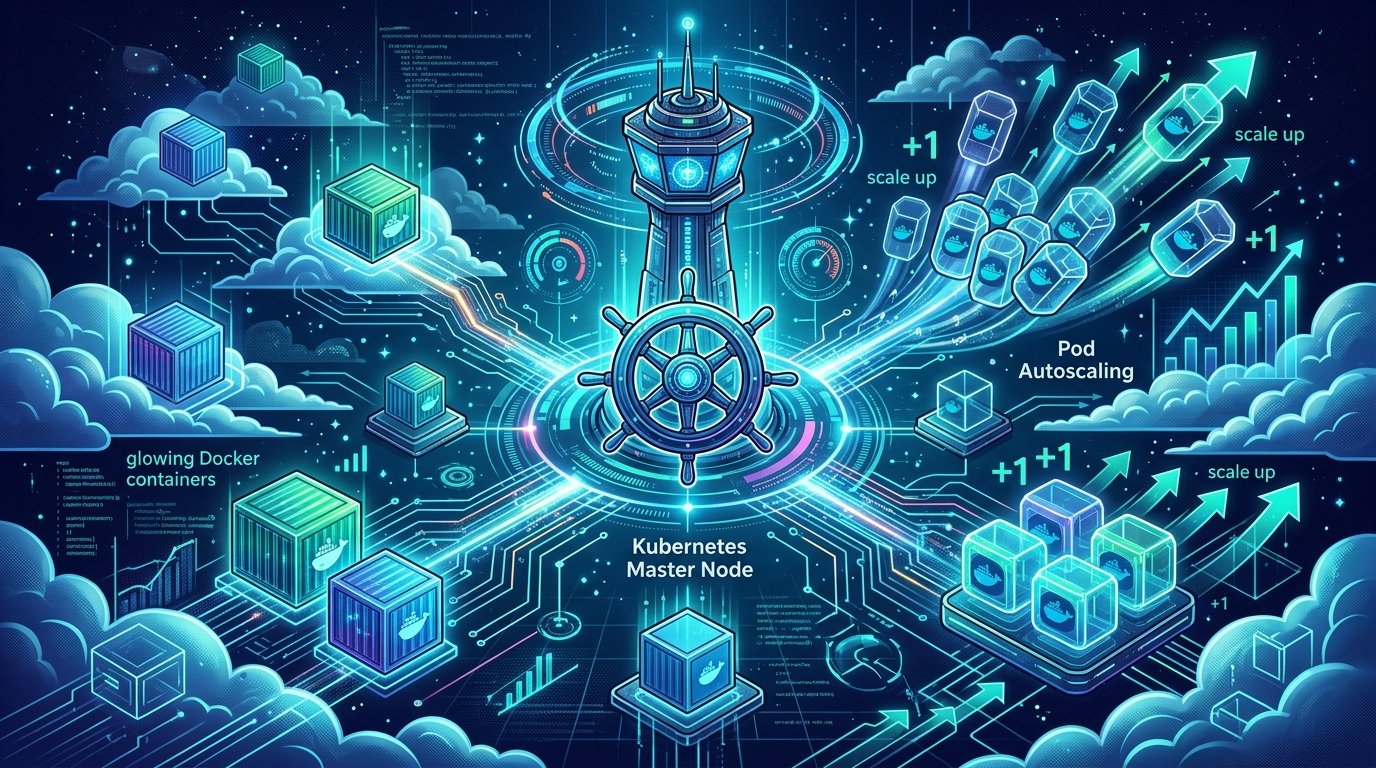
Containerizing microservices with Docker and orchestrating them via Kubernetes (K8s) provides unmatched infrastructure agility, but running clusters in production demands rigorous operational discipline to avoid resource exhaustion and security exploits.
Key Operational Best Practices for Production Clusters
Implementing battle-tested container policies ensures high availability and resilience:
You May Also Like
- Multi-Stage Minimal Base Images: Utilize Chainguard or Alpine base images to minimize container attack surfaces and reduce image pull times.
- Strict Resource Requests and Limits: Enforce CPU and memory boundaries across all pod manifests to prevent noisy neighbors and out-of-memory (OOM) node panics.
- Horizontal Pod Autoscaling (HPA): Configure automated scaling triggers based on custom Prometheus metrics, such as queue depth or HTTP request rates.
- Zero-Trust Network Policies: Enforce Calico or Cilium network policies to deny all east-west pod traffic by default, whitelisting only authorized communication channels.
- Read-Only Root Filesystems: Deploy containers with non-root users and immutable file permissions to mitigate container escape vulnerabilities.
Implementing Kubernetes liveness and readiness probes correctly prevents traffic dispatch to uninitialized pods during rolling deployments.
GitOps Deployment Automation
Managing cluster state via GitOps tools like ArgoCD ensures that production environments remain completely synchronized with declarative version-controlled Git repositories.





Comments (0)
Leave a Comment