
AI-generated ad creative has become performance marketing's decisive lever in late 2026 as Meta and Google algorithms automate audience targeting. Using November 2026 releases like GPT Image 2.6 and Gemini Omni 1.2 Flash, media buyers can turn a single product SKU into 50 testable creative variations in an afternoon to slash Customer Acquisition Cost (CPA).
Creative Velocity Is the New Targeting
For over a decade, paid acquisition specialists gained their edge by slicing lookalike audiences, stacking micro-interests, and micro-managing manual bid caps. By late 2026, automated campaign engines like Meta Advantage+ and Google Performance Max (PMax) handle audience discovery far more efficiently than manual ad-set spreadsheets. That shift leaves creative diversity as the number-one lever marketers still control to lower CPA.
The bottleneck used to be studio production speed. Shooting five fresh concepts for one product SKU required photographers, editors, and weeks of turnaround. November 2026 launches—specifically GPT Image 2.6 for crisp visual iteration and Gemini Omni 1.2 Flash for rapid short-form video concepts—compress that entire production cycle into a single focused afternoon.
Testing Hooks, Not Just Background Colors
Many teams waste generative AI speed by producing 50 nearly identical ads that only swap button colors or studio backdrops. Algorithms treat cosmetic variations as the same message, causing rapid ad fatigue. High-performing growth teams instead hold the core product shot steady and systematically test distinct psychological angles.
Mapping Five Core Pain-Point Angles
Pairing one clean product visual with five distinct pain-point headlines—speed, savings, status, safety, and simplicity—lets you discover which emotional motivation actually unlocks lower acquisition costs before investing in heavy production.
Short-Form Video With Gemini Omni 1.2 Flash
Static images alone rarely capture full inventory across Reels, TikTok, and YouTube Shorts. Pairing GPT Image 2.6 stills with quick UGC-style scripts and punchy 3-second visual hooks generated through Gemini Omni 1.2 Flash gives paid algorithms native vertical motion assets to optimize across placements.
Brand Consistency Guardrails at Scale
High creative velocity only works when outputs remain unmistakably on-brand. Locking typography hierarchies, accurate product geometry, and clear compliance disclosures ensures rapid iteration never dilutes brand equity or triggers ad-policy rejections.
How to Structure a 50-Variation Creative Sprint
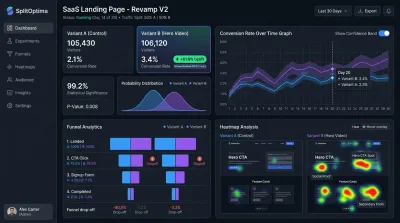
Turning one SKU into 50 clean, measurable ad variations works best as a disciplined matrix rather than random prompting. Combining five pain-point angles across distinct visual scenes and short-form video hooks gives ad platforms genuine creative diversity without losing analytical clarity.
- Lock your hero SKU reference: Start with clean, accurate product imagery so GPT Image 2.6 preserves label text, proportions, and physical details faithfully across every scene.
- Build a 5x5 static concept matrix: Pair five pain-point headlines (speed, savings, status, safety, simplicity) with five distinct lifestyle or problem-solution visual settings for 25 static variations.
- Produce 25 short-form video variants: Use Gemini Omni 1.2 Flash to pair UGC-style scripts with rapid 3-second visual hooks tailored to Reels, TikTok, and YouTube Shorts.
- Launch controlled test buckets: Give every creative cluster clean naming conventions so you can isolate whether the visual setting, the 3-second hook, or the headline drove performance.
- Kill losers fast and scale winners: Cut underperforming variants decisively after 2x target CPA spend, then graduate proven winners straight into broad Advantage+ and PMax scaling campaigns.
Winning Creative Testing Rules for Late 2026
Speed without discipline simply burns ad budget faster. Keep your testing loop profitable by enforcing clear operational guardrails.
- Test Hooks, Not Just Colors: Prioritize meaningful message shifts across speed, savings, status, safety, and simplicity rather than superficial palette tweaks.
- Design for Native Short-Form Feeds: Build vertical UGC-style scripts with unmistakable 3-second visual hooks for Reels, TikTok, and YouTube Shorts.
- Enforce a 2x Target CPA Cut-Off: Pause underperforming ads once spend hits twice your target CPA without traction instead of hoping algorithms rescue weak hooks.
- Promote Winners to Automated Scale: Move validated high-ROAS creatives into Meta Advantage+ and Google PMax campaigns where broad targeting compounds their reach.
Testing Stage Tool or Platform Role Execution Standard
You May Also Like
Static Visual Generation GPT Image 2.6 Generate diverse scenes around one SKU across 5 pain-point angles
Short-Form Video Hooks Gemini Omni 1.2 Flash Draft UGC-style scripts and 3-second hooks for Reels, TikTok, Shorts
Initial Spend Validation Structured Creative Test Ad Sets Cut losers strictly at 2x target CPA spend to protect budget
Broad Acquisition Scaling Meta Advantage+ & Google PMax Graduate winning hooks and visuals for automated audience expansion
AI generates the rough drafts at 10x speed, but human taste picks the angle that actually resonates emotionally.
Combining AI Speed With Human Editorial Judgment
The marketers winning with AI-generated ad creative in late 2026 do not treat GPT Image 2.6 or Gemini Omni 1.2 Flash as autopilot replacements for strategy. They use AI to eliminate production bottlenecks across 50 structured variations, apply human taste to curate emotionally resonant hooks, cut weak performers at 2x target CPA, and let Advantage+ and PMax scale the proven winners.
Frequently Asked Questions
Why is creative diversity more important than manual targeting in late 2026?
Because Meta Advantage+ and Google PMax now automate audience targeting effectively, testing diverse hooks and visuals is the primary lever marketers still control to lower Customer Acquisition Cost (CPA).
How do GPT Image 2.6 and Gemini Omni 1.2 Flash work together in ad testing?
Marketers use GPT Image 2.6 to spin one product SKU into dozens of high-clarity static visual angles, while Gemini Omni 1.2 Flash accelerates native short-form video concepts and 3-second hooks for Reels, TikTok, and YouTube Shorts.
When should you pause an underperforming AI ad variation?
A disciplined benchmark is cutting underperforming variants after spending 2x your target CPA without viable conversions, redirecting budget quickly toward proven winners.
What headline angles should you test first on a single product SKU?
Start by testing five distinct pain-point headlines—speed, savings, status, safety, and simplicity—rather than wasting budget on minor color swaps.





Comments (0)
Leave a Comment