
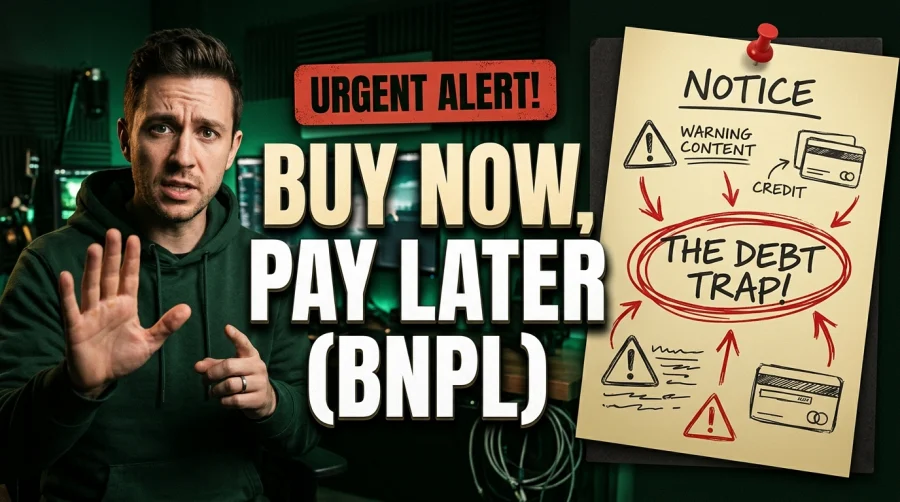
Buy Now, Pay Later (BNPL) split loans are no longer invisible "phantom debt" in 2026, as major credit bureaus and mortgage underwriters increasingly incorporate short-term installment obligations into credit files and debt-to-income (DTI) calculations. Stacking multiple four-payment plans quietly drains checking balances, triggers overdraft fees, and can derail home loan approvals.
Phantom Debt Is No Longer Invisible to Lenders
Splitting a $200 sneaker purchase or a $140 online apparel cart into four interest-free biweekly payments feels effortless at checkout—until a shopper is juggling eight overlapping Buy Now, Pay Later (BNPL) plans across three different apps at once. For years, pay-in-four BNPL loans operated in a credit-reporting blind spot: lenders could not see how many simultaneous split loans a consumer held, earning the category the label "phantom debt."
In 2026, that blind spot has closed significantly. Major credit bureaus—Equifax, Experian, and TransUnion—alongside updated scoring frameworks and automated mortgage underwriting engines now capture a growing share of BNPL loan histories and recurring installment drafts. Even when a specific pay-in-four provider does not yet furnish to every bureau, mortgage underwriters routinely audit 60 days of bank statements and flag repeated automated debits to BNPL servicers, counting those biweekly outflows directly against a borrower's debt-to-income ratio.
Smart Rules to Avoid BNPL Debt Traps
Used with strict discipline on a single planned purchase, 0% APR split financing can smooth short-term cash flow. Without hard personal guardrails, however, frictionless one-click checkout quickly snowballs into chronic liquidity stress.
- Cap Active Plans Strictly: Never run more than one or two BNPL installments simultaneously across all providers, and wait until existing balances clear completely before opening a new plan.
- Never Finance Consumables: Avoid splitting groceries, takeout delivery, concert tickets, or short weekend travel—items that disappear long before the final installment drafts from your checking account.
- Watch Late Fees and Overdraft Cascades: A single mistimed biweekly draft can trigger a $7 to $15 provider late fee plus a $30 to $35 bank overdraft charge, instantly erasing any 0% APR advantage.
- Track All Draft Dates in One Calendar: Because BNPL apps pull every 14 days rather than monthly, overlapping schedules collide unpredictably with rent, utilities, and car payments unless mapped centrally.
- Verify Return and Dispute Policies First: Unlike credit cards backed by strong chargeback protections, returning BNPL-financed merchandise often requires continuing scheduled payments while waiting weeks for merchant refund adjustments.
If you would not feel comfortable buying an item today with cash sitting in your checking account, do not split it into four payments—installment framing lowers psychological pain without lowering the actual price.
Comparing BNPL Plans vs. 0% APR Credit Cards in 2026
Before clicking a checkout financing button, consumers should understand how short-term pay-in-four loans differ from longer-term point-of-sale installment loans and promotional credit cards.
Feature Pay-in-4 BNPL Long-Term BNPL (6–36 Months) 0% Intro APR Credit Card
Typical Cost / APR 0% APR (late fees apply) 0% – 36% APR depending on credit 0% during promo; 20% – 29% after
Credit Bureau Reporting Expanding via dedicated BNPL tradelines Routinely reported as installment loans Always reported monthly to all bureaus
Credit Score Impact Can shorten average account age or flag delinquency Affects payment history and debt load Builds long-term history if utilization stays low
Mortgage Underwriting Effect Flagged in bank statements & DTI reviews Counted directly in monthly DTI Minimum payment counted in monthly DTI
You May Also Like
Consumer Dispute Protection Limited; refund lags common Moderate; varies by issuer Strong statutory Fair Credit Billing Act rights
How Loan Stacking Quietly Sabotages Cash Flow and Credit
The core danger of BNPL is rarely a single $150 purchase; it is loan stacking across multiple apps that do not share real-time underwriting data with one another. A borrower earning $4,200 per month can easily hold six active plans averaging $65 per biweekly draft—quietly locking up $780 per month in rigid automated withdrawals that cannot be reduced to a minimum payment during an unexpected car repair or medical bill.
Why Multiple Short-Term Loans Can Depress Credit Profiles
Because each pay-in-four purchase opens and closes within six weeks, frequent BNPL reporting can distort traditional credit metrics if not properly insulated by newer scoring models. More importantly, any missed installment sent to collections creates severe, multi-year credit score damage identical to a defaulted personal loan.
Mortgage Underwriting Red Flags in 2026
Homebuyers planning to apply for a mortgage within six to twelve months face particular risk from active BNPL habits. Automated underwriting systems and manual loan officers scrutinize recurring fintech debits to verify undisclosed liabilities. Even $250 per month in overlapping split payments can push a borderline applicant past maximum 43% to 45% DTI thresholds or force delayed closing until balances are paid in full and documented.
The Psychological Spend Multiplier
Retail checkout analytics consistently show that offering four-payment split options raises average order values by 20% to 40%. Shoppers upgrade cart sizes because "$45 today" registers far more gently than "$180 total," fueling chronic overspending even among disciplined savers.
Five-Step Escape Plan If You Are Trapped in Stacked BNPL Plans
If overlapping biweekly drafts are already straining your checking account, use this structured five-step reset to unwind balances cleanly without triggering overdraft spirals.
- Freeze New Split Purchases Immediately: Remove BNPL virtual cards from digital wallets and delete saved checkout autofills across all retail apps to stop adding new payment schedules.
- Build a Master Draft-Date Ledger: List every active BNPL provider, remaining balance, exact biweekly withdrawal date, and linked funding card on one sheet so no draft catches your balance by surprise.
- Switch Funding to a Dedicated Buffer Account: Route remaining scheduled drafts to a single checking account pre-funded on payday, preventing accidental overdrafts on your primary bill-pay account.
- Clear the Smallest Balances First: Apply extra cash to pay off the shortest remaining one- or two-installment plans early, freeing up immediate weekly cash flow to stabilize larger obligations.
- Request Hardship Rescheduling Before Missing a Draft: Contact the BNPL servicer at least 48 hours ahead of a tight payday—most major platforms allow a one-time payment date shift without late fees or negative reporting.
Frequently Asked Questions
Do Buy Now, Pay Later loans affect your credit score in 2026?
Yes. Longer-term BNPL installment loans are routinely reported to major credit bureaus, and pay-in-four reporting has expanded significantly in 2026. Missed payments or accounts sent to collections can severely damage your credit score.
Can BNPL plans hurt my chances of getting a mortgage?
Yes. Even if a pay-in-four loan does not appear on a standard credit pull, mortgage underwriters review recent bank statements and factor recurring BNPL drafts into your debt-to-income ratio.
Is it safe to use BNPL for groceries or everyday essentials?
No. Financing recurring consumables like groceries or takeout indicates underlying cash-flow strain and quickly creates overlapping biweekly bills that compound month after month.
How many active BNPL plans are safe to have at one time?
Personal finance advisors recommend capping active BNPL plans at no more than one or two planned durable purchases simultaneously, ensuring you already hold the full purchase amount in cash.




Comments (0)
Leave a Comment