
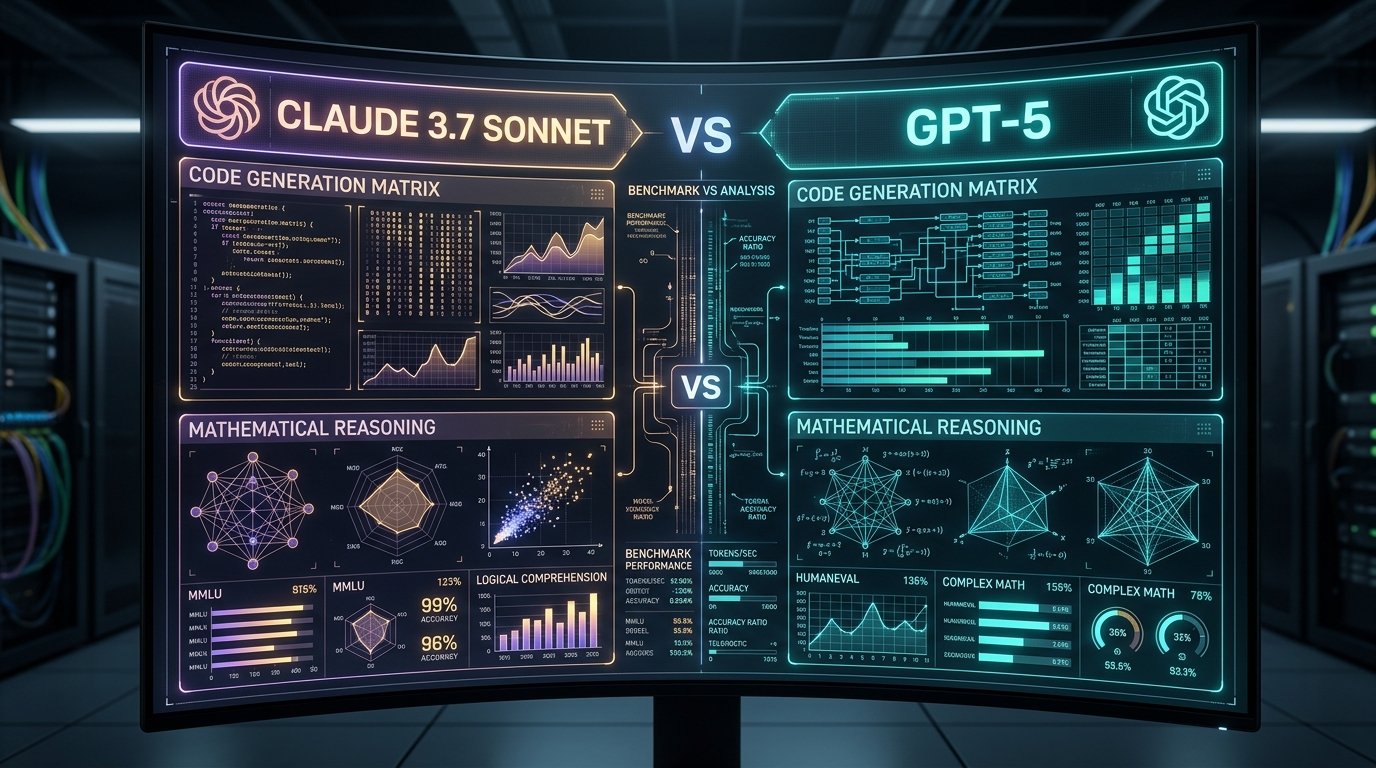
The Clash of Frontier Intelligence Titans
The race for state-of-the-art generative intelligence has intensified as Anthropic and OpenAI release their flagship foundation models: Claude 3.7 Sonnet and GPT-5. Enterprise developers and research labs are evaluating both systems across rigorous real-world production workloads.
Core Benchmark Divergence and Strengths
Comprehensive evaluations across standardized academic and industry benchmarks reveal distinct architectural specializations:
You May Also Like
- Code Synthesis and Debugging: Claude maintains a decisive edge on SWE-bench and human-eval tasks, exhibiting remarkable precision in multi-file refactoring and dependency tracing.
- Complex Mathematical Reasoning: GPT-5 demonstrates unmatched throughput on Putnam-level competition mathematics and formal logic problems via its dynamic chain-of-thought engine.
- Extended Context Window Stability: Both models support 200k+ token windows, with Claude achieving near-perfect 100% retrieval fidelity across massive codebase lookups.
- API Latency and Execution Cost: Anthropic's prompt caching architecture significantly lowers recurring token inference costs for high-frequency enterprise agent loops.
Industry consensus highlights that while GPT-5 excels in theoretical reasoning and broad multimodal knowledge, Claude remains the gold standard for full-stack software development workflows.
Selecting the Right Model for Your Stack
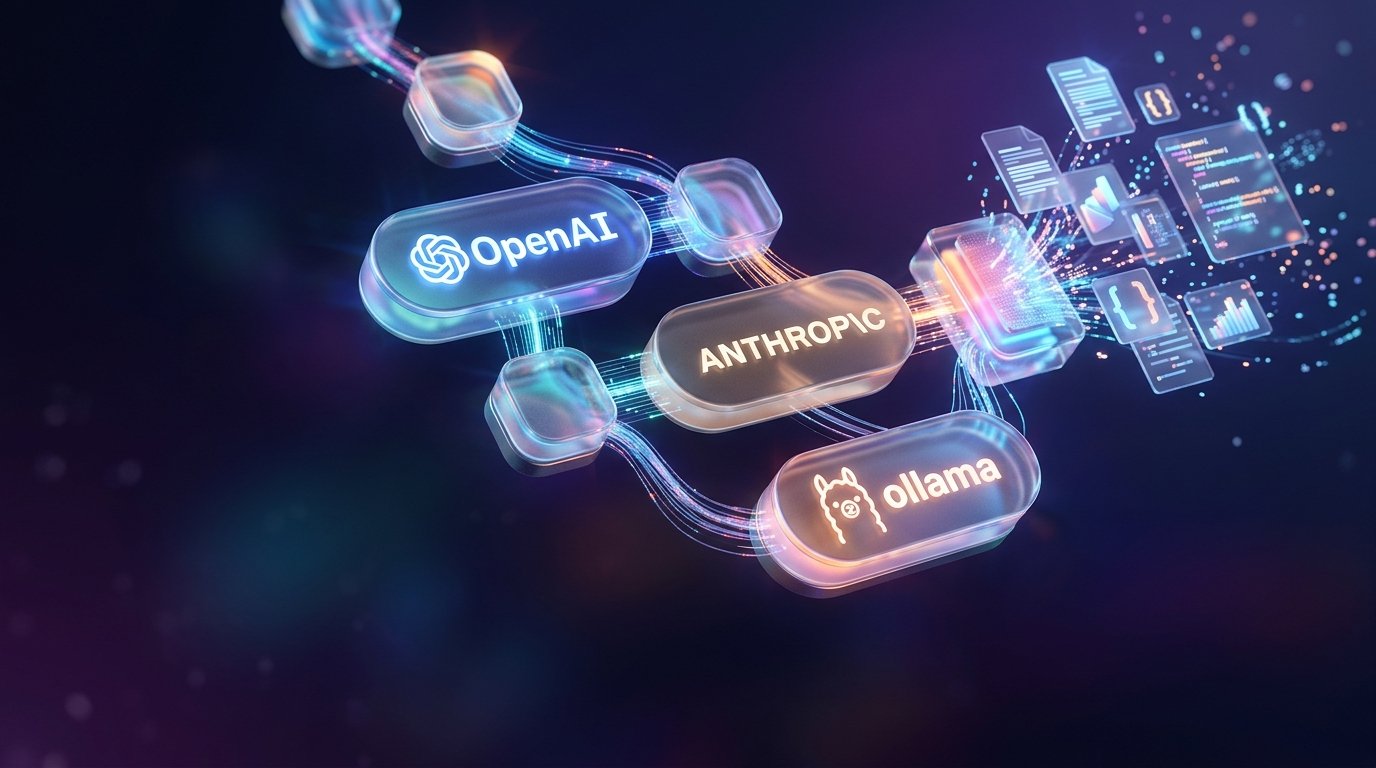
Organizations increasingly adopt a hybrid routing architecture, dispatching complex coding and artifact rendering to Claude while routing scientific research and database querying to GPT-5.



Comments (0)
Leave a Comment